

Mexico’s Yucatán Peninsula has almost no rivers. Its fresh water flows underground through a vast maze of flooded caves in the limestone. Where the roof of a cave has collapsed, it opens up as a cenote: a natural well, often of startlingly clear water. To the Maya they were sources of life and doorways to the underworld. To archaeologists they are time capsules, holding everything from Ice Age skeletons to gold offerings. Here is what cenotes are, the most remarkable finds, and why they are now at risk.
Key facts
- What: sinkholes formed when limestone collapses, exposing groundwater. The word comes from the Yucatec Maya ts’onot.
- How many: thousands across the Yucatán Peninsula, many linked by underwater caves.
- Longest system: Sac Actun, near Tulum, is among the longest known underwater cave systems in the world, with over 350 km mapped.
- Oldest finds: human and animal remains from the end of the last Ice Age, over 12,000 years ago.
- Most famous: the Sacred Cenote at Chichén Itzá, a site of Maya offerings for centuries.
How cenotes formed
The Yucatán is a huge, flat shelf of limestone that was once seabed. Rainwater, made slightly acidic by soil, slowly dissolves limestone, carving caves and channels. During the last Ice Age, sea levels were over 100 m lower than today, and many of these caves were dry. Stalactites and stalagmites grew in them, which can only form in air. As the ice melted and sea levels rose, between about 10,000 and 8,000 years ago, the caves flooded.
One curious detail: a semicircle of cenotes, the “Ring of Cenotes”, traces the buried edge of the Chicxulub crater. This crater was made by the asteroid impact 66 million years ago that is linked to the extinction of the dinosaurs. The fractured rock around the crater’s rim appears to channel groundwater and encourage collapses.
Ice Age time capsules
Because the caves were once dry, people and animals entered them, and some never left. In 2007 cave divers exploring the Sac Actun system found a deep underwater pit, which they named Hoyo Negro (“black hole”). At its bottom lay the skeleton of a teenage girl, nicknamed Naia, along with the bones of extinct animals such as sabre-toothed cats, giant ground sloths and gomphotheres, relatives of elephants. A 2014 study in Science dated her remains to about 12,000–13,000 years ago. DNA showed that she was related to modern Native Americans, supporting the idea that the first Americans and today’s Indigenous peoples share common ancestors.
Other flooded caves contain evidence of early mining. Divers have found that people were digging red ochre, a pigment, deep in the caves more than 10,000 years ago, leaving behind charcoal and piles of broken rock.
Sacred waters of the Maya
For the Maya, who lived in the Yucatán for thousands of years, cenotes were essential. Many towns, including Chichén Itzá, grew up next to them because they were the only reliable water source. They were also sacred, seen as entrances to Xibalba, the underworld, and linked to Chaac, the god of rain. Offerings were made in them, especially in times of drought.
The Sacred Cenote of Chichén Itzá
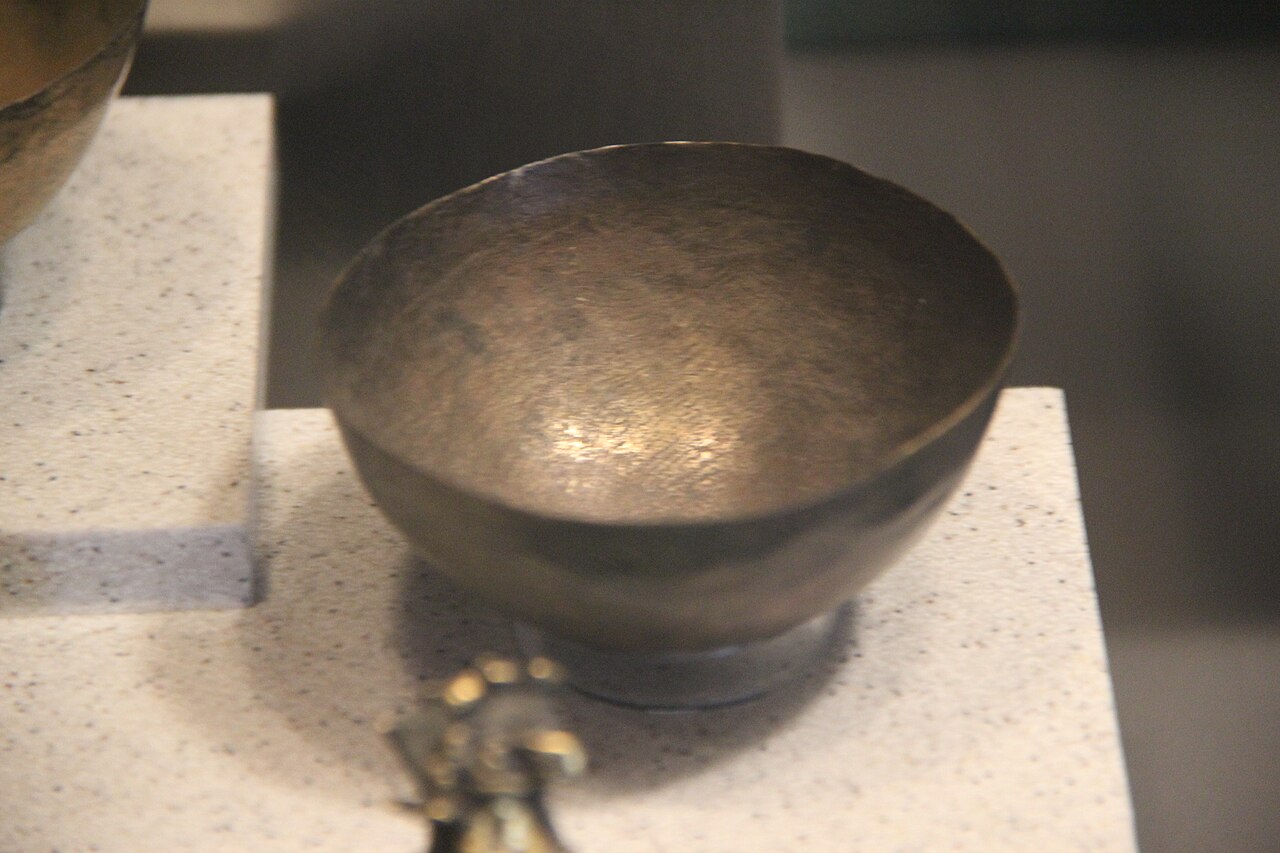
The Spanish bishop Diego de Landa wrote in the 16th century that people were thrown into the great cenote at Chichén Itzá as offerings in times of drought, along with precious objects. Between 1904 and 1910 the American consul Edward Herbert Thompson dredged the cenote and sent thousands of objects to Harvard’s Peabody Museum. Some have since been returned to Mexico. Later Mexican expeditions in the 1960s recovered more. The finds include:
- gold and copper discs and bells;
- jade beads and ornaments;
- copal incense, wooden objects and textiles;
- human remains from many people, including children.
Some of the gold came from as far away as Central America, showing how important the site was over a wide region.
Recent discoveries
- Balamkú cave (2019): at Chichén Itzá, archaeologists led by Guillermo de Anda re-entered a cave that had been sealed for centuries. It contained around 150 untouched ritual objects, including incense burners decorated with the face of a rain god.
- A Maya canoe (2021): a remarkably well-preserved wooden canoe was found in a cenote near Chichén Itzá. Mexico’s national archaeology institute, INAH, dated it to about 830–950 CE. It may have been used to collect water or to place offerings.
- Mapping the underworld: projects such as the Gran Acuífero Maya continue to map and connect underwater caves, finding new archaeological and fossil sites as they go.
Cenotes under threat
Cenotes are fragile. They form part of the only freshwater source for millions of people, and pollution from sewage, farming and tourist development can spread quickly through the connected caves. The construction of the Tren Maya railway through the region, completed in sections from 2023, was strongly criticised by cave divers, scientists and environmental groups, who documented damage to caves from steel pilings and construction work. Mass tourism, with sunscreen and crowds, also affects water quality in the most popular cenotes.
Our take
Cenotes are one of the world’s most remarkable natural archives. In a single flooded cave system you can find evidence of the first Americans, animals that died out at the end of the Ice Age, and centuries of Maya religion. Much of this underwater world is still unmapped. Whether its secrets survive depends on how well the region’s water and caves are protected now.
More to explore
For more lost places beneath the water, read about the sunken city of Dwarka. Or explore another great puzzle of the ancient Americas: the Nazca Lines.
Sources and further reading
- Chatters, J. C. et al. (2014). “Late Pleistocene human skeleton and mtDNA link Paleoamericans and modern Native Americans.” Science.
- MacDonald, B. L. et al. (2020). “Paleoindian ochre mines in the submerged caves of the Yucatán Peninsula, Quintana Roo, Mexico.” Science Advances.
- Coggins, C. C. and Shane, O. C. (eds.) (1984). Cenote of Sacrifice: Maya Treasures from the Sacred Well at Chichén Itzá. University of Texas Press.
- Smithsonian Magazine: Cave full of untouched Maya artifacts found at Chichén Itzá (2019).