

The things we snack on every day often have surprisingly strange beginnings. Several famous drinks started out as medicines. A breakfast cereal was invented as part of a strict health regime. One of the world’s best-known sweets was inspired by a civil war. Along the way, many of these foods picked up origin stories that are more legend than history. Here are 12 everyday snacks and drinks, what really happened, and which tales to take with a pinch of salt.
1. Coca-Cola: a “brain tonic” from a pharmacy
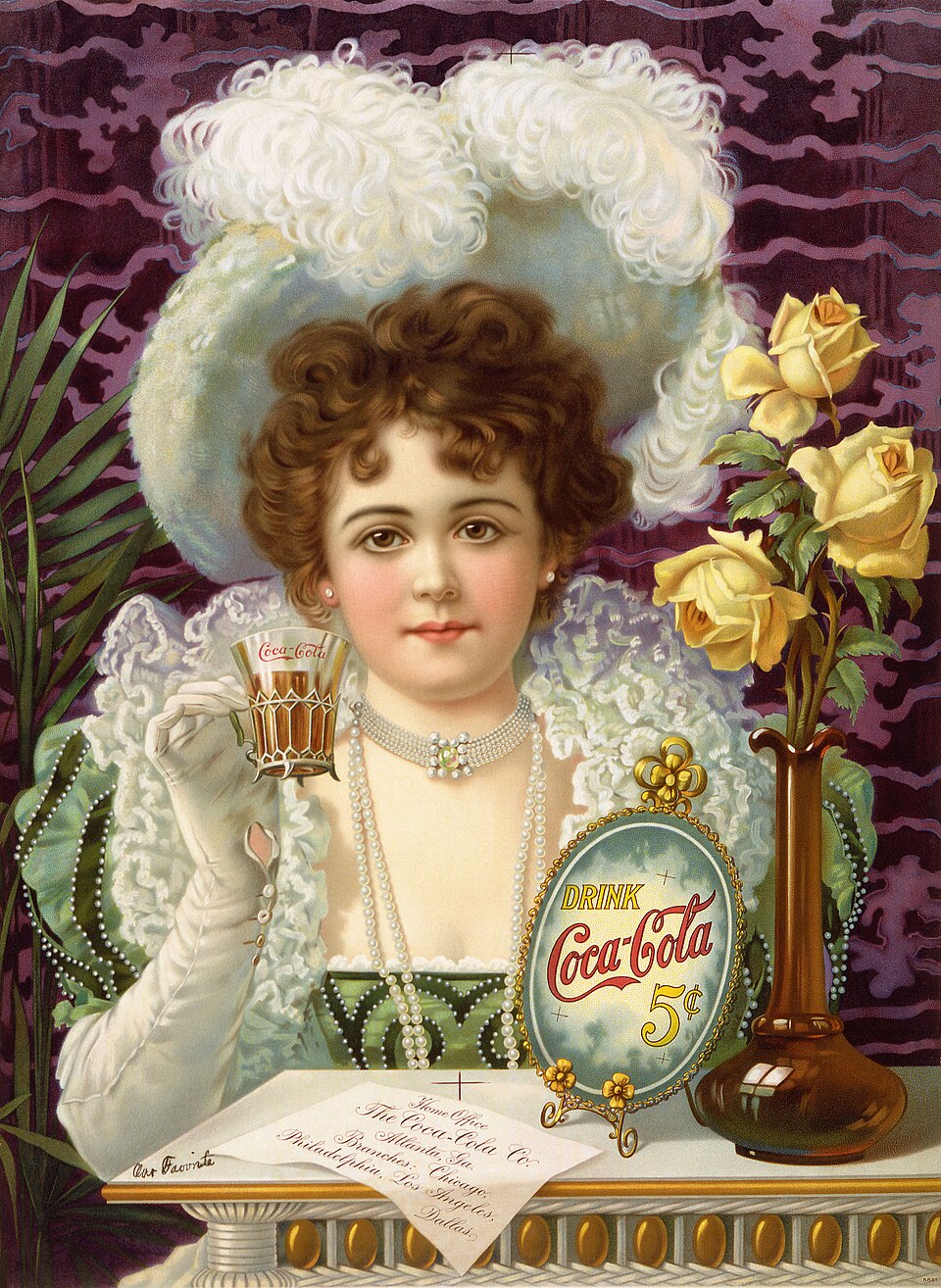
In 1886 John Pemberton, a pharmacist in Atlanta, Georgia, created a syrup that was mixed with soda water and sold at a pharmacy soda fountain. It was marketed as a patent medicine that could cure headaches and relieve tiredness. Its two key ingredients gave it its name: coca leaf, which contained small amounts of cocaine, and kola nuts, a source of caffeine. Cocaine was removed in the early 1900s. The company still uses a coca-leaf extract with the drug taken out for flavouring.
2. Pepsi: a drink for indigestion
Caleb Bradham, a pharmacist in New Bern, North Carolina, created “Brad’s Drink” in 1893. He renamed it Pepsi-Cola in 1898. The name is usually linked to dyspepsia (indigestion) or the digestive enzyme pepsin, because it was promoted as a drink that aided digestion. Dr Pepper, created in Waco, Texas, in 1885, is older than both.
3. 7 Up: the lemonade with lithium
When 7 Up launched in 1929, it was called “Bib-Label Lithiated Lemon-Lime Soda”. The word “lithiated” was literal: it contained lithium citrate, a compound that is now used as a prescription mood-stabilising drug. The lithium was removed around 1950, after US authorities banned it from soft drinks.
4. Fanta: born from a wartime shortage
During the Second World War, Coca-Cola’s German branch could no longer get the syrup it needed. Its manager, Max Keith, created a new drink in 1940 from what was available, including whey and apple fibre left over from cider making. He called it Fanta, from the German word Fantasie (imagination). The modern orange Fanta was developed in Italy in the 1950s.
5. Fizzy water itself: a scientist’s experiment
Natural sparkling spring water has been prized since ancient times. Artificial carbonation came from science. In 1767 the English chemist Joseph Priestley worked out how to dissolve carbon dioxide in water while living next to a brewery in Leeds. In the 1780s Johann Jacob Schweppe developed a way to make it on an industrial scale in Geneva. His company, Schweppes, still exists.
6. Corn flakes: a health food for a strict diet
Corn flakes were created at the Battle Creek Sanitarium in Michigan, run by the doctor and health campaigner John Harvey Kellogg. He believed that a plain, bland diet without meat, spices or alcohol was the key to good health and self-control. In the 1890s he and his brother Will Keith Kellogg developed flaked cereals for patients, reportedly after some cooked wheat was accidentally left to stand. Will wanted to add sugar to make them appeal to the public; John disapproved. The brothers fell out, and Will founded his own company in 1906, which became Kellogg’s.
7. Ketchup: from fish sauce to “medicine”
The word “ketchup” probably comes from a fermented fish sauce from southern China and South-East Asia. British cooks in the 18th century made “ketchups” from mushrooms, walnuts and oysters. Tomato ketchup became popular in the United States in the 19th century. In the 1830s, tomatoes were even sold as a cure-all in “tomato pills” before the craze collapsed.
8. Potato chips (crisps): a famous legend
The popular story says that in 1853 George Crum, a chef at Moon’s Lake House in Saratoga Springs, New York, sliced potatoes extremely thin to annoy a customer who complained his fries were too thick, and the customer loved them. “Saratoga chips” did become famous there. But recipes for thin, crisp fried potato slices appear in English cookbooks decades earlier, such as William Kitchiner’s The Cook’s Oracle (1817). Crum himself never claimed in his lifetime to have invented them. Saratoga made them popular, but probably didn’t invent them.
9. Popcorn: thousands of years old
Archaeologists have found popped maize at sites in coastal Peru dating back about 6,700 years. Popcorn became a street snack in the United States in the late 19th century, helped by Charles Cretors of Chicago, who developed a steam-powered popcorn machine. Cinemas at first banned popcorn as messy. During the Great Depression, it became a cheap treat that helped keep cinemas in business.
10. Pretzels: the praying-monk story
A popular legend says a monk in Italy or France invented the pretzel around 610 AD, twisting dough into the shape of arms crossed in prayer, as a reward for children who learned their prayers. It’s a charming story, but there is no early evidence for it. What is certain is that the pretzel became the emblem of bakers’ guilds in southern Germany in the Middle Ages, and it still hangs above many bakeries today.
11. Gummy bears: the “dancing bears” of Bonn
Hans Riegel founded the sweet company Haribo in Bonn, Germany, in 1920. The name comes from HAns RIegel BOnn. In 1922 he created fruit gums shaped like the dancing bears that performed at street fairs at the time. They were called Tanzbären (“dancing bears”). The modern Goldbears followed in 1967.
12. M&M’s: inspired by a civil war
According to the company’s history, Forrest Mars saw soldiers in the Spanish Civil War eating chocolate pellets in a hard sugar shell, which didn’t melt in the heat. In 1941 he and Bruce Murrie, the son of a Hershey executive, began producing M&M’s, named from their two surnames. During the Second World War they were supplied to American troops. In 1976 red M&M’s were withdrawn because of public fears about a red food dye, even though M&M’s didn’t use it. They returned in 1987.
Our take
The real stories behind our snacks are often stranger than the legends. Many of them reflect the history of medicine, war and advertising. Drinks once sold as cures, cereals invented for a health regime and sweets designed for soldiers all became everyday treats. And when a story sounds too neat, like a single angry chef or a monk inventing a snack in a flash of inspiration, it’s worth checking the records.
More to explore
If medicine-as-food surprised you, read about the much stranger history of corpse medicine in Europe. For another odd chapter of the 20th century, try Australia’s Great Emu War.
Sources and further reading
- Pendergrast, M. (2013). For God, Country, and Coca-Cola, 3rd edition. Basic Books.
- Smith, A. F. (1996). Pure Ketchup: A History of America’s National Condiment. University of South Carolina Press.
- Grobman, A. et al. (2012). “Preceramic maize from Paredones and Huaca Prieta, Peru.” Proceedings of the National Academy of Sciences.
- History.com: Who invented the potato chip?
- History.com: The wartime origins of the M&M.